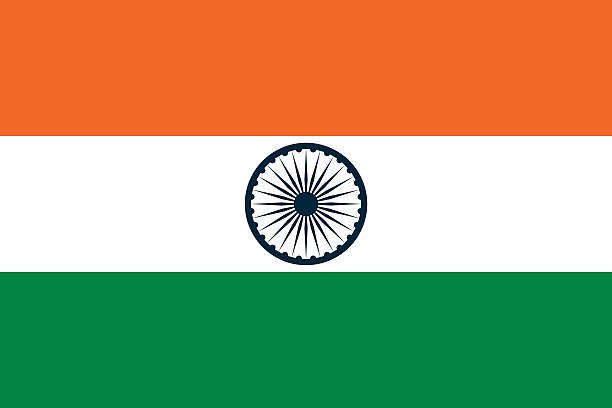
The Indian National Flag, lovingly known as the Tiranga, is far more than a combination of three colors. It represents the spirit, sacrifice, strength, and unity of over a billion people. Whenever the tricolor rises high in the sky, it fills every Indian heart with pride and reminds us of our shared identity and responsibility as citizens of a great nation.
India officially adopted its national flag on 22 July 1947. It was designed by Pingali Venkayya, whose dedication and vision helped give shape to a powerful national symbol.
🟠 Saffron (Top Band)
The saffron color represents courage, sacrifice, and selflessness. It reminds us that true leadership and progress require dedication and a willingness to serve the nation above personal interests.
⚪ White (Middle Band)
White stands for peace, truth, and honesty. It encourages transparency, harmony, and unity among people of diverse cultures, religions, and backgrounds.
🟢 Green (Bottom Band)
Green symbolizes prosperity, growth, and life. It reflects India’s agricultural roots, natural richness, and continuous progress toward a brighter future.